Teaching Your Child to Resist Peer Pressure
This is a paid collaboration.
Peer pressure is a difficulty which most children will experience at some point. Often, children do not realise what they are experiencing until it’s too late and before they know what’s happening, they’ve made snap decisions or acted on impulses which are not in their usual character.
How does peer pressure begin?
Most peer pressure begins through the need to feel accepted. All children and most especially teenagers, feel a strong desire to be part of a group. It’s when the group dynamic is less than healthy that peer pressure can be a problem.
Insecurity, fear of being left out or missing out, fear of losing friends – these are the driving forces behind what makes children and teenagers act in ways they would not usually act.
Helping your child to know their own mind
What does it mean to know your own mind? In short it means to know your own limits. We all have limits. Rules and morals which we stick to in our general life. When these are challenged by peers, it can be extremely hard for children to resist.
If you can instil a strong sense of self in your child then it’s far less likely that they will fall prey to peer pressure.
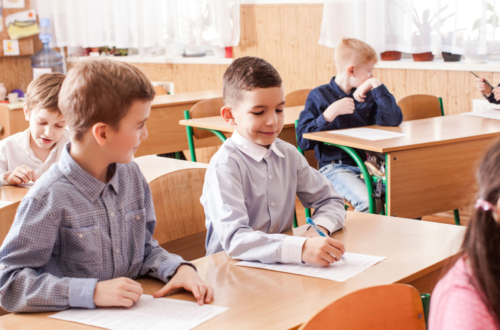
School is an important part of the journey and the best schools have strong peer support systems in place as at this private school in London where pupils are encouraged to support one another as much as possible.
Peer support is invaluable when it comes to peer group pressure. If a child knows he or she can turn to an older pupil for advice, it can alleviate much of the pressures they experience.

Start early
The best way to help your child to have a strong sense of self is to trust them. We all teach our children morals – once we’ve done that, then the next important lesson is that of trust. Give your child responsibilities. Household chores, caring for animals, saving money and even helping out in the community. Praise them when they successfully complete these tasks.
A child who is trusted, also trusts themselves. They know that you, their parent trusts them to do the right thing so it’s far less likely that they will act out of character when their peers pressure them.


You May Also Like

The Benefits of Outdoor Learning for Children
Top Tips For Supporting Your Child’s Mental Health